
Dra. Núñez Schmidt

Committed to treating digestive problems and skin conditions from the root.

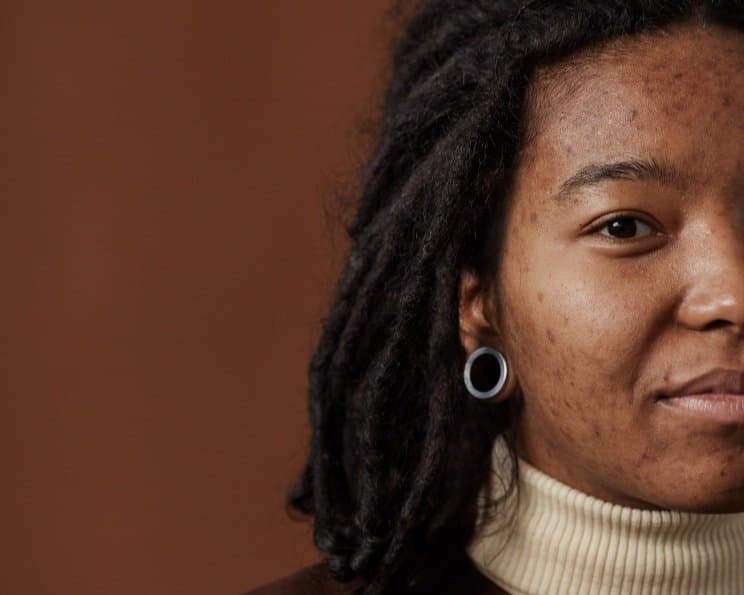
Acne

Acne is a condition that occurs when hair follicles become blocked. Excess sebum production and the buildup of dead cells accumulate until they create a blockage. This process also promotes the growth of bacteria and/or fungi (Malassezia).

We look for the cause of what may be provoking the excess production of sebum and cells. This includes gastrointestinal testing and treatments.

We talk about “triggers” and include diet and lifestyle recommendations to avoid breakouts.

We recommend natural topicals with antimicrobial properties that help maintain the pH of the skin.
Atopic dermatitis

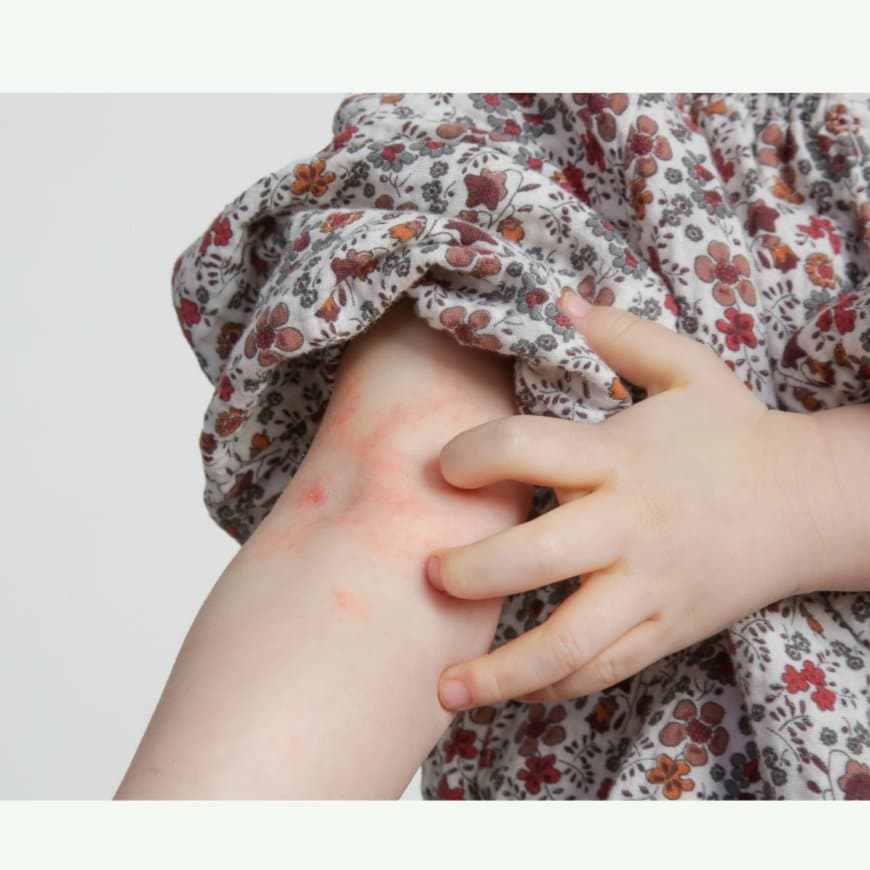
Also known as eczema. Atopic dermatitis is a condition caused by a dysfunction in the skin barrier and levels of inflammation. The inflammation does not occur only in the areas where we see the lesion; there is also systemic inflammation. Different people can vary in the immune responses related to their eczema. For this reason there are therapies that do not work for everyone affected.

There are several components that affect the development of eczema: genetics, suboptimal production of the protein filaggrin, imbalances in the skin microbiome and increased intestinal permeability.

Filaggrin is a protein needed to maintain the skin barrier, and certain eczema patients have a mutation in the filaggrin gene. In eczema there can also be an over-colonization of bacteria on the skin that cause inflammation. Finally, gut health can also play a role in the inflammatory signals of the system.

We use specialized lab tests to identify what may be provoking the systemic inflammation. With these results, we can create an individualized treatment to calm the immune reaction.

We recommend topicals to strengthen the skin barrier as well as oral supplements that provide precursors to hydrate and strengthen the barrier.

We educate on foods and lifestyle factors that may be contributing to the causes of eczema and give you the tools to work on it.

Psoriasis

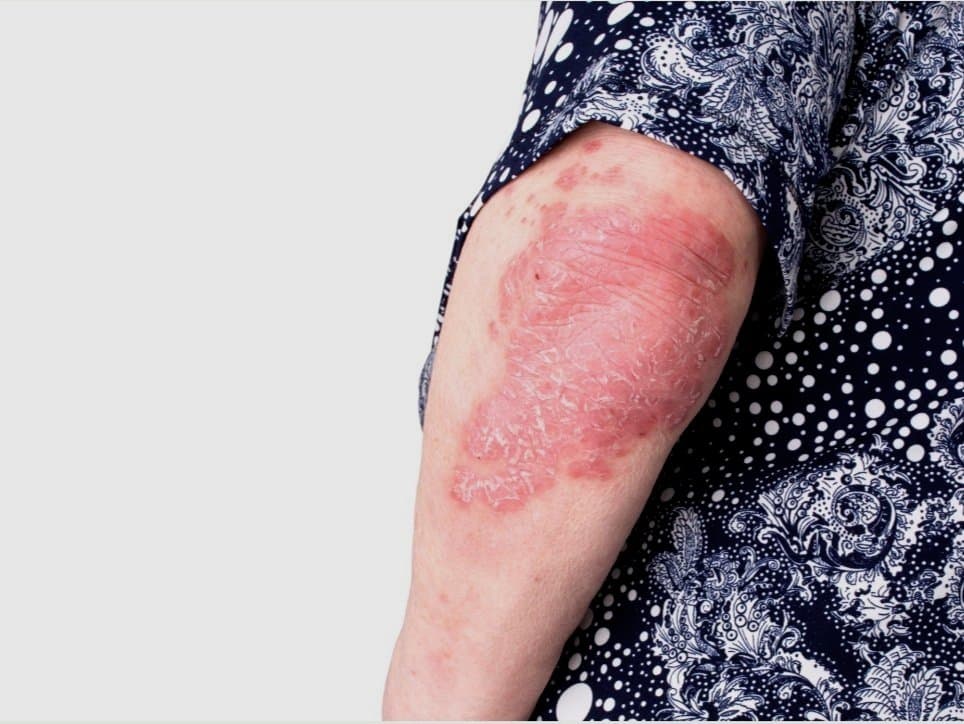
Psoriasis is a systemic inflammatory condition. Apart from the inflammation that can be seen in the skin lesions, there is inflammation in other parts of the body. The immune reaction in psoriasis is mostly of mucocutaneous origin (respiratory system, skin and gut).

Apart from systemic inflammation, plaque psoriasis is distinguished by hyper-proliferation of skin cells.

The most common areas for psoriasis plaques include: the area of the elbows and knees, the scalp, near the ear, genitals, back, feet, hands and nails.

Several conventional medications aim to suppress the immune reaction. We use stool and urine lab tests to identify what may be stimulating the immune system. Many times this reaction comes from a colonization of organisms in the digestive system.

The idea is to treat the stimulus of the inflammation. On the other hand, we discuss foods the patient may be reacting to, any toxic environmental exposure and medical history.

At the same time we include botanical topicals that work by reducing inflammation, and antifungals, since the fungus Malassezzia commonly plays a role in the progression of the lesions.

Seborrheic Dermatitis

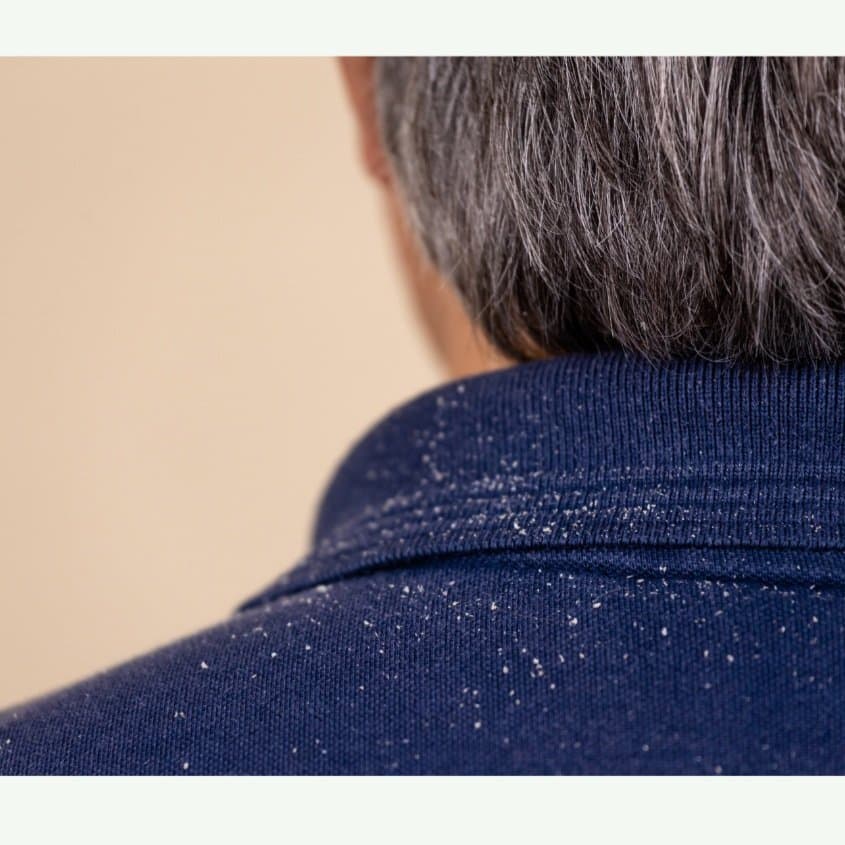
Also known as dandruff. It is a skin condition that affects the areas of the body with the highest sebum production. This mostly includes the face and the scalp. This condition arises because of a fungus called Malassezia that lives on our skin and feeds on sebum. This process provokes inflammatory reactions in those areas of the skin, causing the known effects of dandruff: skin flaking, scales, itching and rash. In conclusion, it is an immune reaction to the organism Malassezia.

Mineral supplementation: Low levels of certain nutrients have been shown in patients with seborrheic dermatitis. This supplementation helps lower the levels of the organism.

Shampoo with antifungal and/or anti-inflammatory properties

Treat the growth of organisms in other parts of the body such as the gastrointestinal system. There are studies showing cross-reactivity between fungal growth in the gut and fungi on the skin.

Alopecia Areata

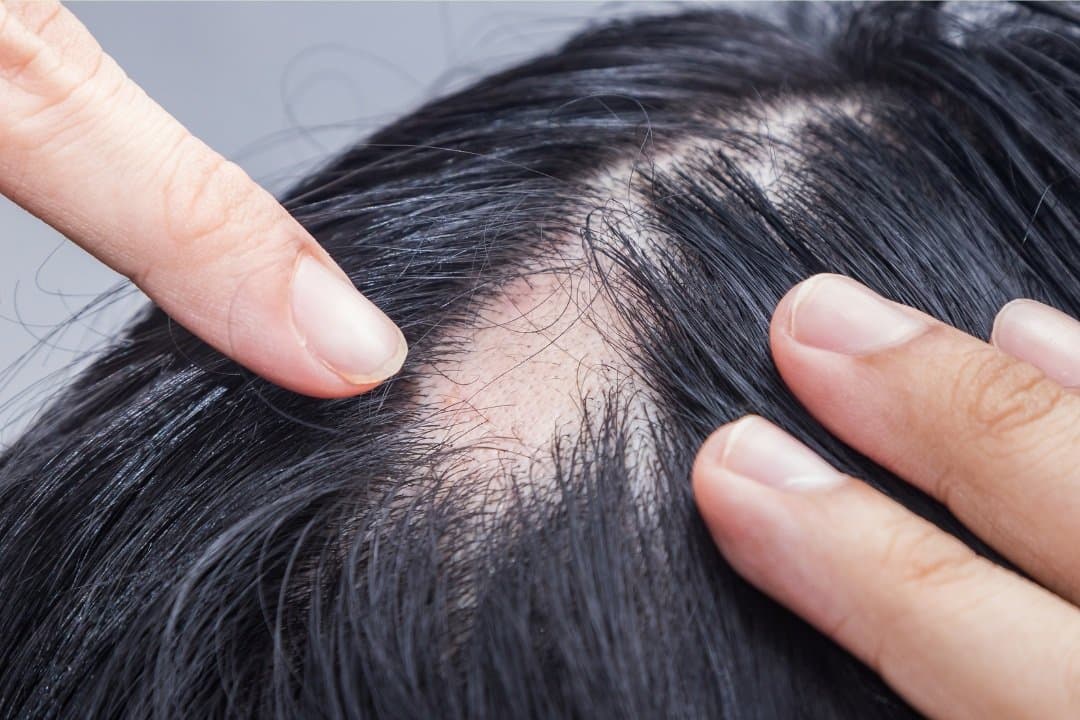
An autoimmune condition that causes partial and in some cases total hair loss. In the case of alopecia areata, the immune system attacks the hair follicles. This commonly begins after some trauma, infection or stress. There is a greater chance of regrowth if we treat the condition before ten years have passed, when the follicle is not yet destroyed.

We start by investigating whether there is any type of nutritional deficiency such as protein, iron, biotin, vitamins and minerals, among others; the opposite can even occur, with toxicity from excess supplementation.

In autoimmune conditions, imbalances of the gut microbiome are commonly identified, since when there is excess permeability, pathogenic organisms activate the immune system. For this reason lab tests are carried out to identify whether there is a colonization of organisms or other toxic elements that provoke the chronic reactivity of the system. Once we identify what is happening we can begin an individualized protocol for the patient. The protocols include changes in diet, lifestyle, oral supplements and topicals.

Rosacea

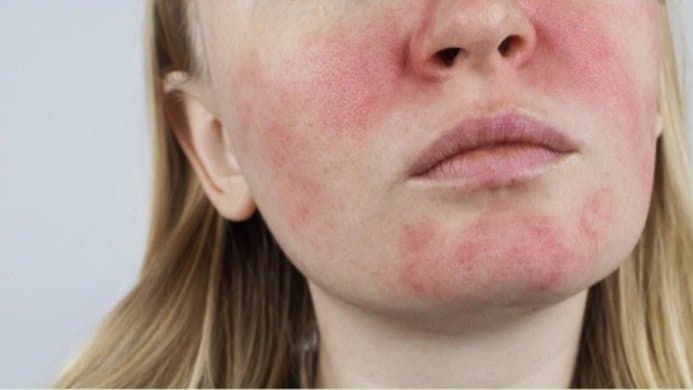
Rosacea is a systemic inflammatory condition. Symptoms include burning and itching. It presents with red patches on the face, and in some cases with pustules.

The pathological process of this condition is not well understood, but there are several gastrointestinal aspects and growth of certain bacteria that commonly occur in this condition.

Triggers:

Extreme temperatures (hot or cold), sun exposure, drinking something hot, spicy food, alcohol, exercise, irritation from topical products, emotions (anger, embarrassment…), some medications that cause vasodilation, and problems in the skin barrier

Gastrointestinal lab tests are ordered to check for any digestive imbalance. We create an individualized plan for the patient taking into account the lab results and lifestyle. We also include recommendations for topicals for sensitive skin.