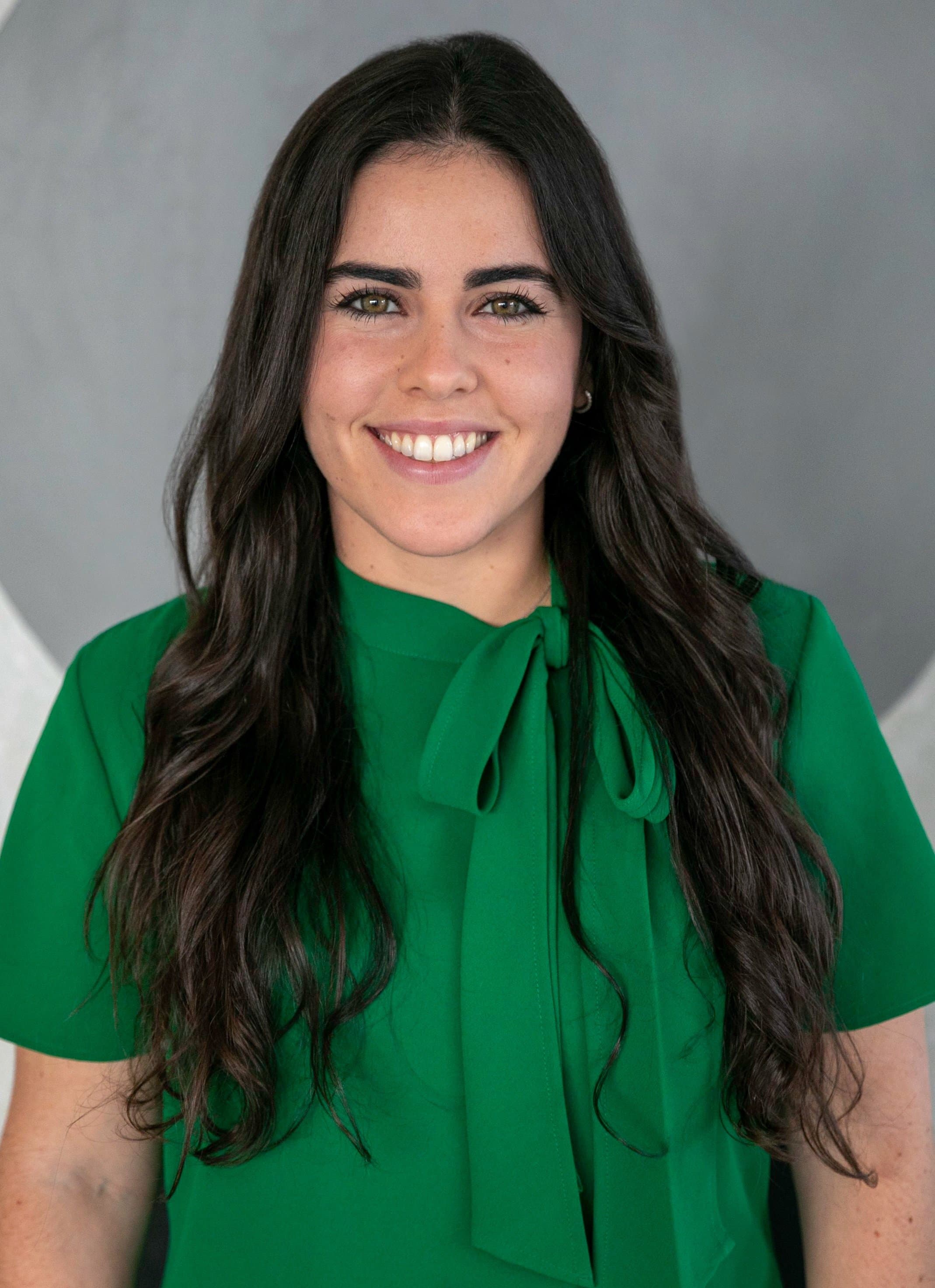
Karen Núñez Schmidt, ND
Karen completed her bachelor's degree in interdisciplinary sciences at the University of Puerto Rico - Rio Piedras, with the goal of then going on to conventional medical school. During her bachelor's degree, an interest in nutrition and botany emerged, and in how these serve as key tools for health and disease prevention; this led her to learn about naturopathic medicine. Finally, her thesis focused on plants and their antimicrobial properties as an alternative to antibiotic resistance.
In 2021, she obtained her doctorate in naturopathic medicine at Bastyr University, in the state of Washington. There she concentrated her studies and practice on the digestive system and how it influences other aspects of our health, such as mood and the correlation with various skin conditions. Throughout her career, she had mentors specialized in gastrointestinal and dermatological conditions and the optimization of the gut flora.
Karen currently practices in San Juan, Puerto Rico and focuses on treating the root of chronic digestive and skin conditions. In her free time, she enjoys hobbies such as cooking, traveling and spending time with her family and friends.
Certifications and Associations
- Bastyr University - Naturopathic Medicine, ND
- Certified Root Cause Dermatology Practitioner
- Certified Mold-Literate Practitioner
- Gastro ANP- Member

“My intention is to work as a team with my patients, so that together we understand the cause of their symptoms and offer an individualized service, using mostly nutrients, food, plants and education.”
What is Naturopathic Medicine?
Naturopathic medicine is a health profession that brings together modern science and medicine with traditional therapies. Our philosophy is based on healing from the root and treating the person as a whole. Naturopathic doctors (ND) are trained at accredited schools of naturopathic medicine where they must pass 2 national board exams (NPLEX) to obtain a license to practice. The four years of study include scientific and clinical training in more conventional treatments such as pharmaceuticals as well as complementary modalities such as nutrition, herbal medicine and supplements.
6 principles
- Do no harm - Use the least toxic treatments that are, at the same time, adequate and indicated for the patient.
- Work with the healing power of the body - Understand that the body has the capacity to heal.
- Identify and treat the cause - Look for the root of the problem, not just treat symptoms.
- Doctor as teacher - Teach patients how they can take control of their health.
- Treat the whole person - The body is interconnected and a condition is not located in a single part; therefore, the whole body must be treated.
- Prevention - The goal is to optimize health to prevent recurrences.